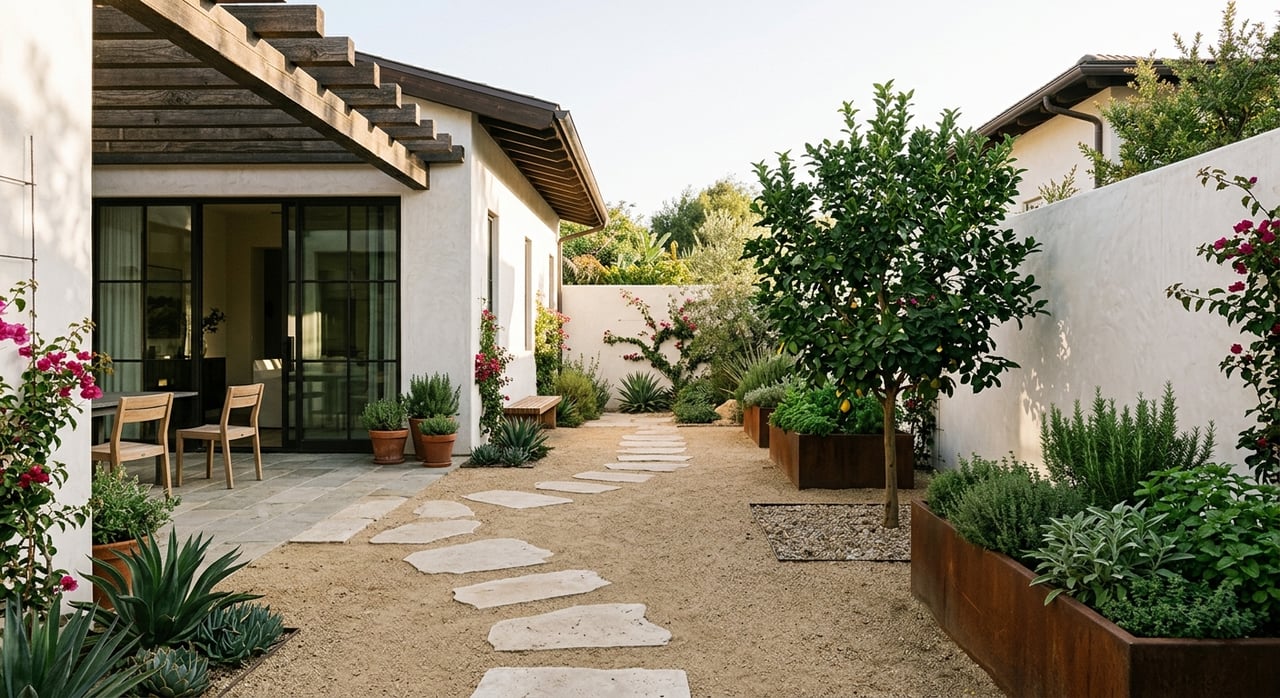
El Pescadero Lifestyle Guide for New Homeowners
July 2, 2026
July 2, 2026
What does daily life in El Pescadero actually taste like once you own a home here? For many new homeowners, the answer is less about one big restaurant scene and more about a steady rhythm of coffee stops, produce runs, garden dinners, and simple home routines shaped by the land. If you are thinking about buying or settling into a home in this part of Baja Sur, understanding the local food and farm culture can help you picture your week more clearly. Let’s dive in.
El Pescadero is a small ejido in the municipality of La Paz, located on Highway 19 about 8 kilometers south of Todos Santos. Municipal records describe commercial agriculture as a major local activity, alongside ribereña fishing. That matters because the community’s food identity is rooted in working land, not just tourism.
You will also notice that El Pescadero does not revolve around a single dense commercial downtown. Community sources describe a fast-growing area where infrastructure has not always kept pace with development. In practical terms, that helps explain why daily food life often happens through a compact network of farms, garden restaurants, coffee spots, and small provision shops.
If you are new to the area, one of the first things to understand is that agriculture is not just part of the backdrop here. It actively shapes what you buy, where you eat, and how you plan meals at home. The farm-to-table culture in Todos Santos and El Pescadero has grown over the last two decades, and it is closely tied to what local growers produce.
Regional agriculture reporting notes that El Pescadero’s planted area is largely devoted to poblano peppers, basil, green beans, and culinary herbs. In the broader municipality, growers also produce crops such as asparagus, chile peppers, mango, melon, and tomato. That means the local dining scene is connected to nearby harvests in a very direct way.
As a homeowner, you may find yourself shopping a little differently than you would in a larger city. Instead of doing one large stock-up trip and calling it done, you may make smaller, more frequent stops based on what is fresh and available. Menus can shift with the harvest, and your own cooking at home may become more seasonal too.
That flexibility is part of the appeal. If you enjoy living close to the source of your food, El Pescadero offers a lifestyle where local ingredients are part of everyday decision-making, not a special occasion trend.
One of the easiest ways to get to know El Pescadero is through the businesses that connect farming and dining. These spots help turn the area’s agricultural base into a real weekly rhythm for residents.
Agricole is one of the clearest examples of the local harvest-centered model. It combines a store and a restaurant in El Pescadero through its Tienda de Campo and Cocina de Campo concept. It is useful for homeowners because it brings provisions and prepared food into one place, which fits well with the area’s more relaxed errand pattern.
Hierbabuena shows how closely dining can be tied to the land here. Its menu is seasonal and local, drawing from harvests from its organic gardens. The restaurant also highlights local organic poultry, wood-oven pizza, and catch of the day, which gives you a good sense of how varied farm-driven dining can be.
Botánica at Kimpton Mas Olas offers a more elevated version of the same farm-garden idea. The restaurant sits in the heart of an organic garden and focuses on freshly picked vegetables, live-fire grilled organic meats, and herb-infused cocktails. For homeowners, it adds another option for a special dinner without leaving El Pescadero.
Rancho Pescadero also plays a visible role in the area’s lifestyle landscape. The property began as a former poblano chili farm and now includes gardens, two farms, and a citrus orchard. Its public dining venues help show how resort spaces in El Pescadero can become part of regular local life, not just visitor experiences.
Terramar Cantina reflects the more laid-back side of the local scene. It describes its menu as farm-and-sea-to-table, with produce, seafood, and chicken sourced locally, and most of its beer and wine coming from Baja. Because it sits next to Baja Beans and Pescadero Surf Shop, that stretch feels like an informal gathering corridor many residents naturally work into the day.
El Coyote at El Perdido captures another part of the El Pescadero mood. Its menu changes with availability and features local fish, desert herbs, and Baja citrus in an open-air, live-fire setting. For new homeowners, it helps paint a realistic picture of the area’s slower, more grounded evening rhythm.
Food culture here is not just about dinner reservations. It also lives in the smaller routines that shape your mornings and weekend errands.
Baja Beans is one of the clearest markers of everyday life in El Pescadero. Its headquarters are in Pescadero on Carretera La Paz KM 63, and the company describes its coffee as shade-grown, single-origin, small-batch roasted, fair-trade, and organically grown. For many residents, it is more than a coffee stop. It is part of the weekly social pattern.
Mexico News Daily also notes that the original Baja Beans in El Pescadero is known for its Sunday Market, where you can find fresh local produce. That makes it especially useful for homeowners who want to fold shopping into a casual weekend routine.
Nearby Todos Santos extends the same farm-and-food network. Mercado Ranchero was founded in 2016 to sell products from 41 Baja California Sur ranches, including dairy, preserves, honey, dried foods, medicinal plants, and dried meats. The business also hosts a regional farmers market every Saturday at Otro Lado.
For an El Pescadero homeowner, that means your food loop often reaches beyond your immediate neighborhood. You may handle quick daily stops close to home, then make a broader provisions run in Todos Santos as part of your weekly rhythm.
One of the most practical things to know as a homeowner is that local food culture and low-waste habits often go hand in hand. This is not just a design trend or lifestyle label. It is a response to how the community functions.
Cero Basura BCS reports that there is currently no municipal or community-wide organic-waste system in the area. It does, however, list compost pickup and drop-off options such as Caballo Loco Composta, recycling at Punto Verde, and refill locations including A Granel Baja in El Pescadero and Mini Super Munchies.
If you live here full-time or part-time, it helps to think in terms of small, repeatable routines. Useful habits may include:
These routines fit naturally with a place where shopping is often local, frequent, and seasonal.
Water use is another important part of the homeowner picture in El Pescadero. In February 2026, the La Paz municipal water utility reported work on a new well and wastewater treatment infrastructure in El Pescadero to improve potable water availability and enable safe reuse. That signals progress, but it also reinforces why thoughtful household water use matters.
If you are planning to buy, build, or operate a home here, it is smart to think about daily water habits early. Gardens, outdoor living, food prep, and guest use can all affect how your household functions. In a place where land and lifestyle are closely connected, practical stewardship is part of living well.
The biggest takeaway is that El Pescadero’s food culture is deeply local and tied to routine. You are not moving into a place defined by big-box convenience or a formal restaurant district. You are stepping into a smaller, more connected pattern shaped by farms, harvests, coffee stops, and neighborhood-scale errands.
For many buyers, that is exactly the point. A week here might include coffee at Baja Beans, produce from Agricole, a Saturday market run in Todos Santos, and dinner in a garden setting where the menu changes with the season. If that rhythm sounds appealing, it can be a meaningful clue that El Pescadero is the right fit for your lifestyle goals.
If you are exploring homes, land, or investment opportunities in El Pescadero, working with someone who understands both the lifestyle and the practical side of owning in Baja can make the process much clearer. To talk through neighborhoods, property types, or what daily life here really looks like, connect with Sarah Mucha.
Stay up to date on the latest real estate trends.







Sarah is ready to ensure all of your real estate needs are met. Whether you are looking to buy or sell your home or land, she will focus on the importance of communication and service.